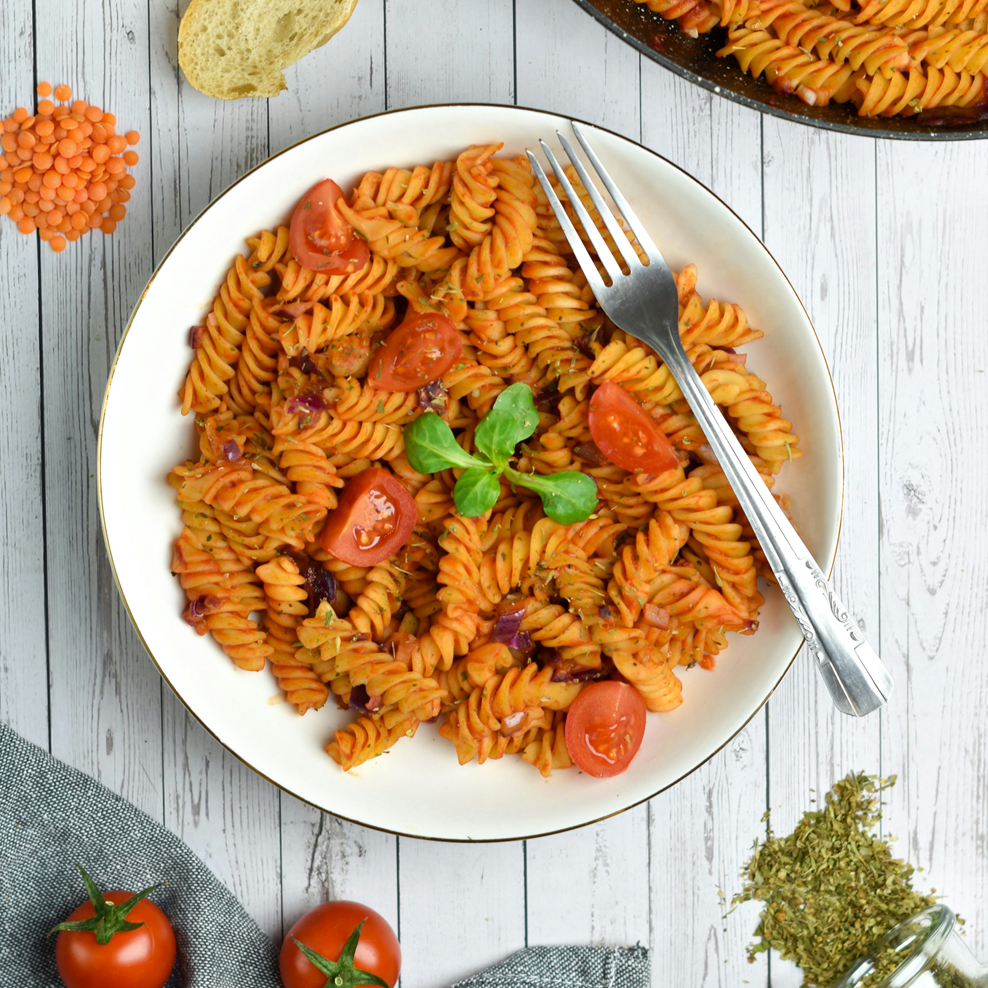
Why food manufacturers are looking at pulse flour
Pulse flours made from milled dry lentils, chickpeas, and fava beans, have moved from a niche health-food ingredient into serious consideration on food-manufacturer specification sheets. Three trends are driving the shift: consumer demand for higher-protein and plant-forward products, the search for gluten-free and allergen-friendly ingredients that still perform, and procurement teams looking for ingredients with a credible sustainability.
This guide is written for food manufacturers, R&D and formulation teams, and product developers evaluating pulse flour for the first time. It covers where pulse flour performs well, where it needs support from other ingredients, and how to think about it across the main application categories: bakery, snacks and crackers, gluten-free products, pasta and noodles, and protein-forward or meat-analogue systems.
What pulse flour brings to a formulation
Pulse flour is a nutrient-dense, gluten-free flour with a functional profile that is meaningfully different from wheat, rice, corn, or nut flours.
Understanding those differences up front makes formulation work faster.
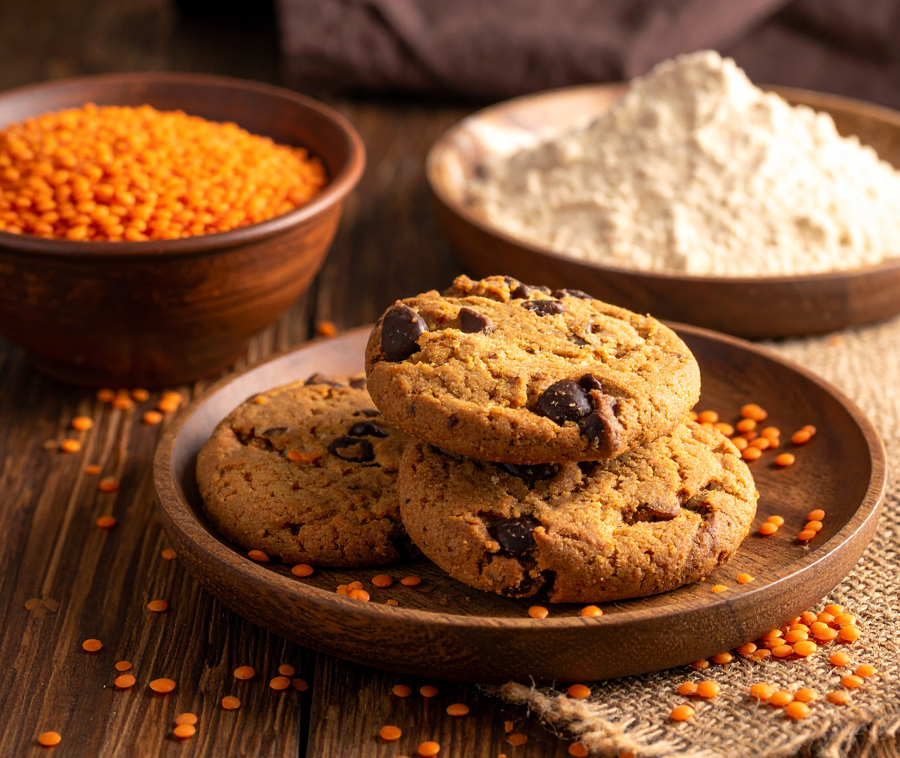
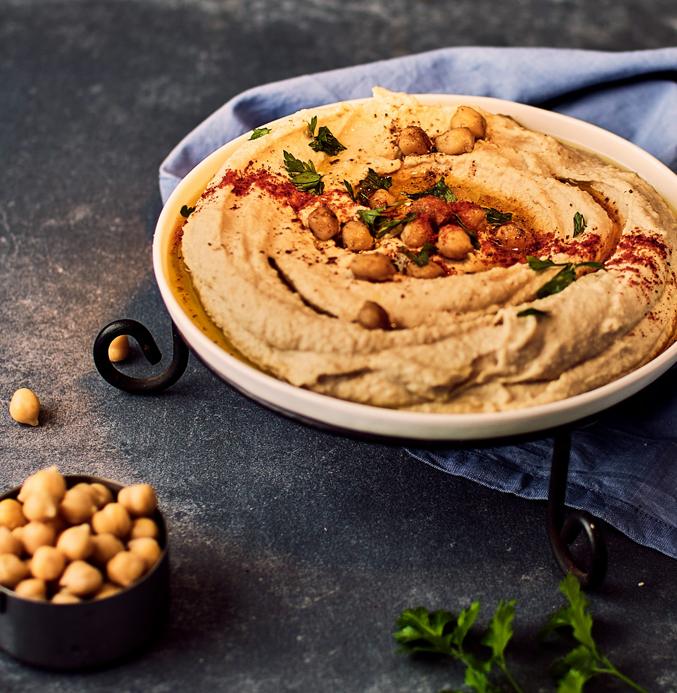
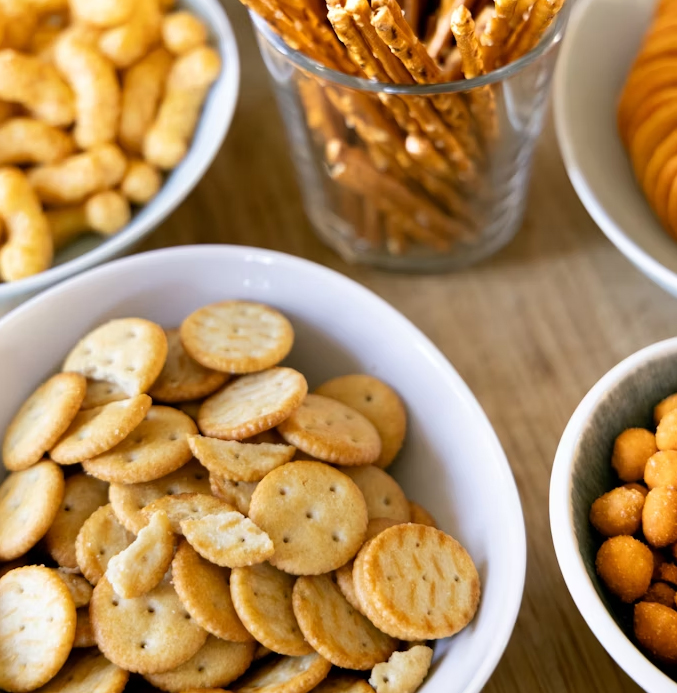
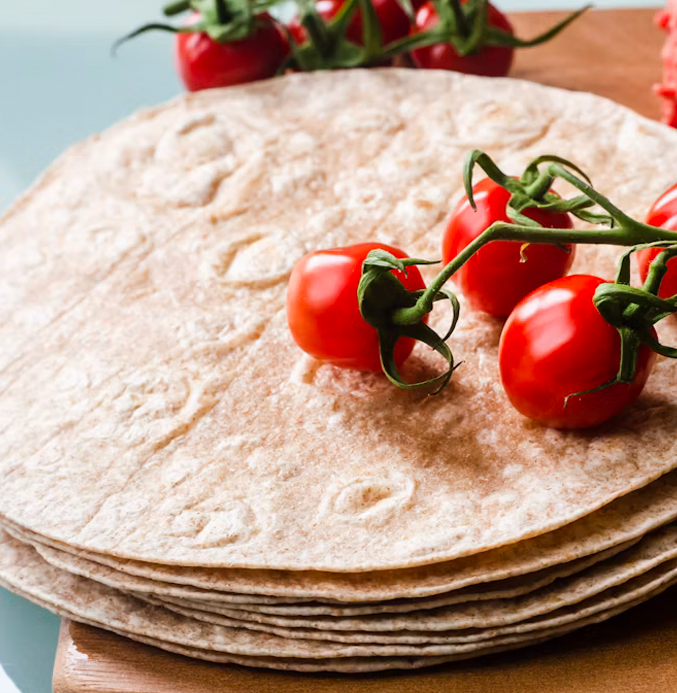
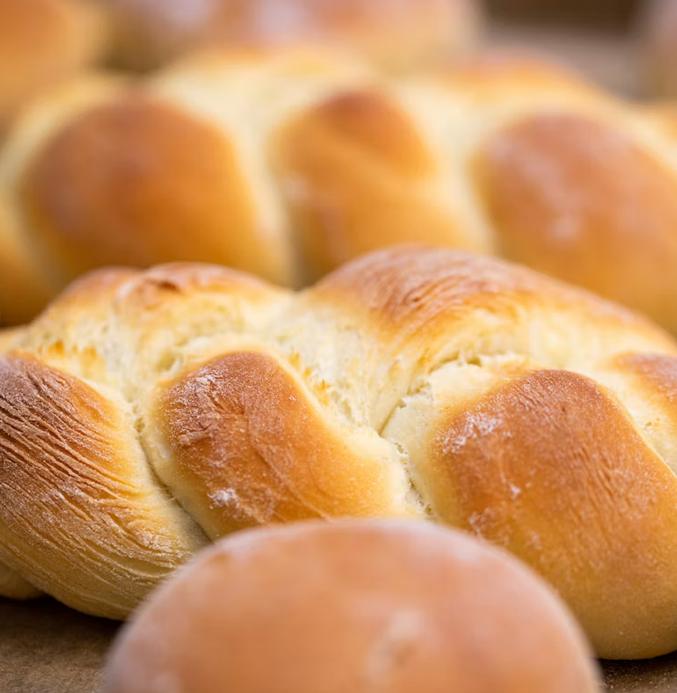
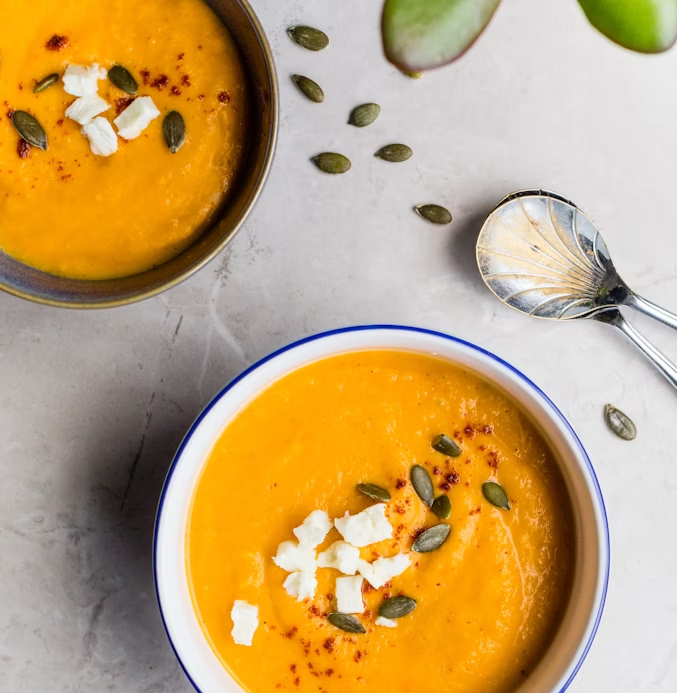
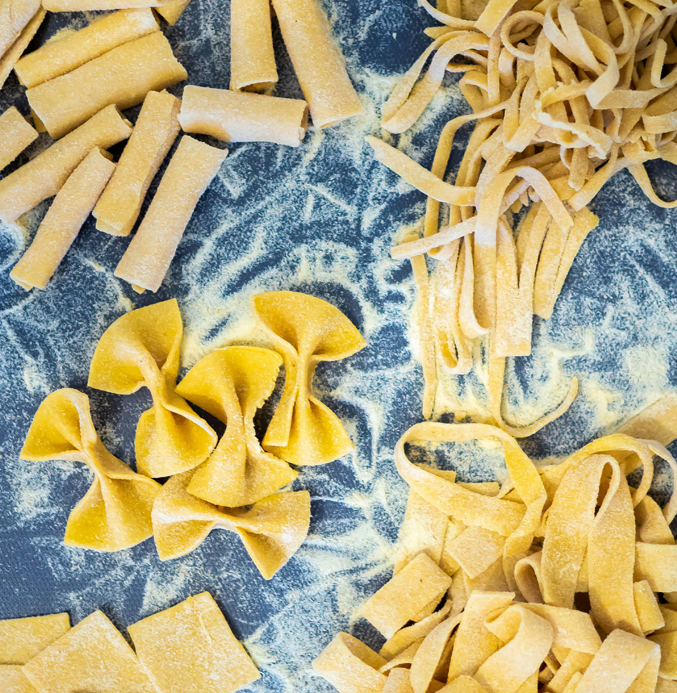
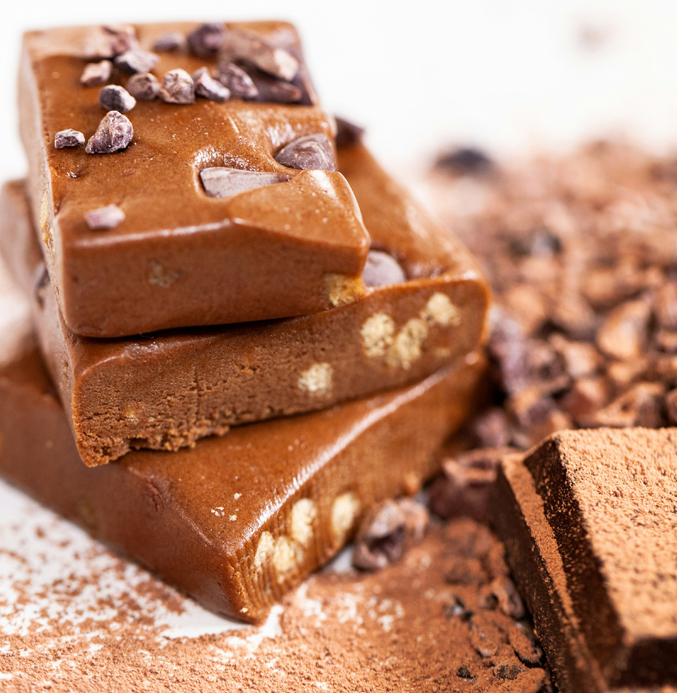
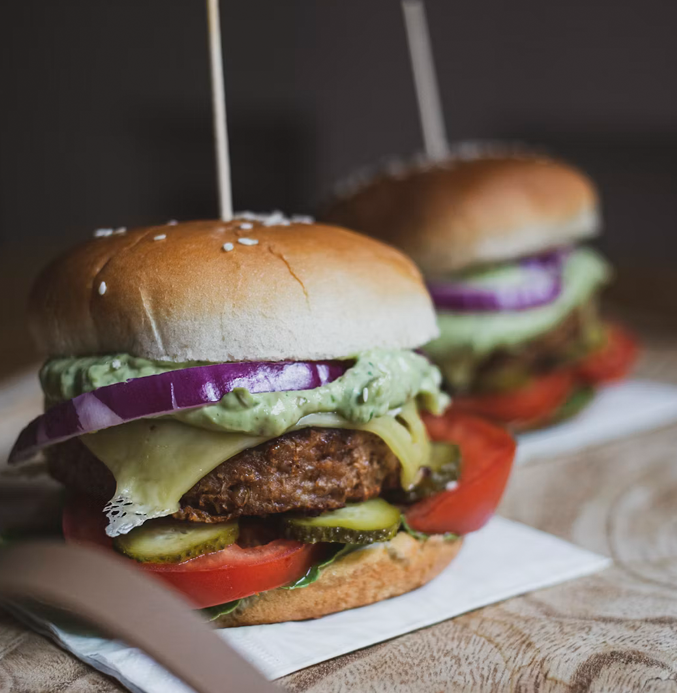
Where Pulse Flour can Add value
Bakery – bread, buns, tortillas, and pizza crust
Bakery is the most established application for pulse flour and the one with the deepest published research base.
Partial wheat-flour replacement in conventional baked goods. Pulse flour can be used as a partial replacement for wheat flour in bread and bun formulations to raise protein and fibre. Published industry guidance suggests that pulse protein concentrates and flours can replace a meaningful share of wheat flour in bakery formulations, with the exact inclusion level depending on the product, the mixing system, and the target texture (Cereal Foods World, 2020). Pilot testing is recommended before scaling.
Sponge-dough method for bread applications. When pulse flour is included in bread, the sponge-dough method is generally preferred to straight-dough because it improves loaf volume, crumb texture, and flavour of the finished bread (Cereal Foods World, 2020).
Crust colour. Pulse proteins are relatively high in lysine, which participates in Maillard browning during baking. Bread and buns made with pulse flour tend to develop a darker, richer crust colour — an aesthetic benefit for artisan-style products (Cereal Foods World, 2020).
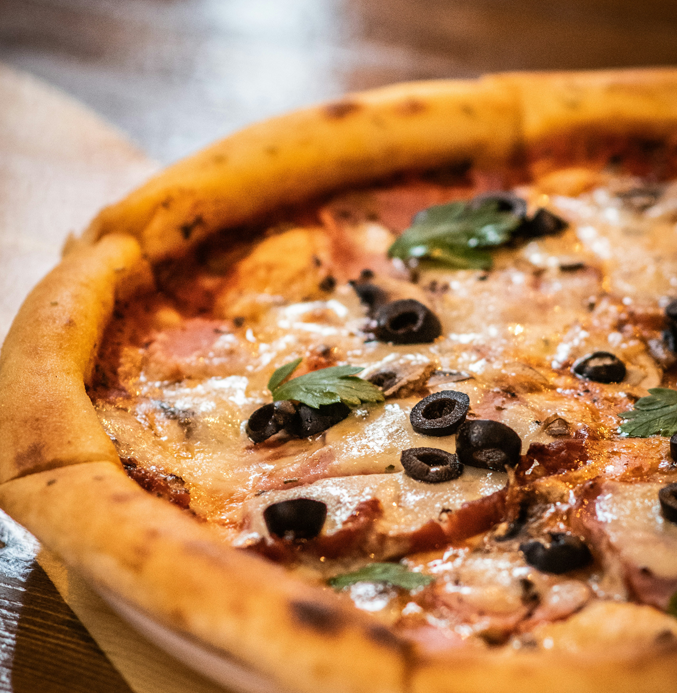
Tortillas and pizza crust. Pulse flour blends well with rice, tapioca, and corn in flatbread applications. In gluten-free tortillas and pizza crusts, pulse flour can contribute to texture, mouthfeel, moisture retention, and colour (Cereal Foods World, 2020). Chickpea and yellow lentil flours are common starting points because of their milder flavour.
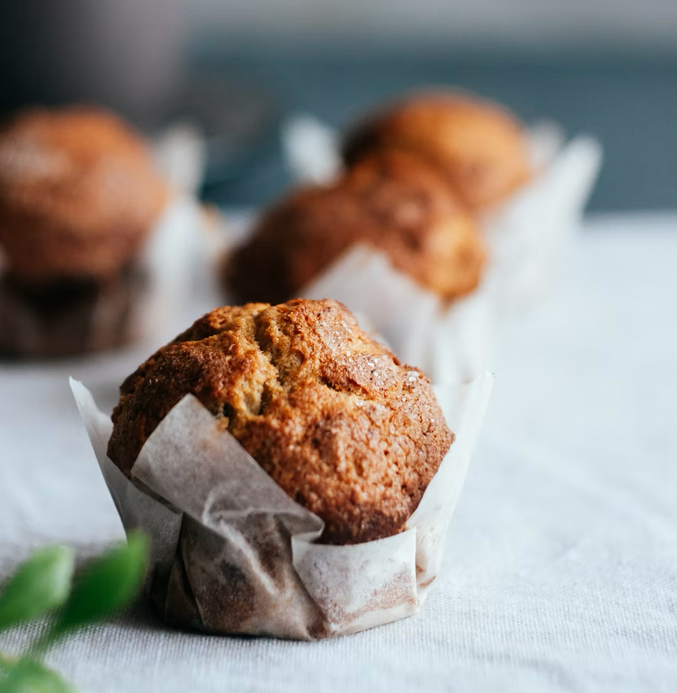
Cakes, muffins, and quick breads. Chemically leavened bakery products tolerate higher pulse-flour inclusion than yeast-leavened breads because they do not rely on gluten development for structure. Chickpea flour is a common starting point for muffins and quick breads because its flavour is comparatively neutral (Boukid, 2021).
Snacks and crackers
Pulse flour has grown quickly in the snack category, driven by consumer interest in higher-protein and higher-fibre snacking.
Baked crackers and chips. Pulse flour is used at moderate to high inclusion levels in baked crackers. Published guidance suggests that in gluten-free cracker formulations, pulse flour can be used at up to a meaningful share of the total flour weight, depending on the target texture and flavour profile (Cereal Foods World, 2020). Chickpea and red lentil flours are common starting points.
Extruded and puffed snacks. Pulse flour is used in puffed and expanded snack applications, typically alongside a starch source that supports expansion. Where SSI’s product line applies, whole-pulse flours contribute protein, fibre, and colour; formulators typically tune the base with a companion starch or fibre to control expansion and cell structure (Global Pulse Confederation, 2021).
Precooked snack bases. Precooked pulse-flour bases are used for savoury snack products, quick-preparation snack mixes, and instant applications where a shorter hydration or cook time is required. SSI’s four flours are supplied as milled flours; precooked variants are handled as separate specification items on request.
Flavour management. In higher-inclusion snack applications, pulse flavour becomes more perceptible. Common flavour-management strategies include blending pulse flours together (e.g., chickpea with a smaller share of fava bean for protein lift), pairing with cereal starches, and using seasoning systems that complement the pulse note (Boukid, 2021).
Gluten-free products
Gluten-free is arguably the strongest use case for pulse flour today, because it addresses two problems that gluten-free formulators typically struggle with at the same time: low protein and poor structure.
Gluten-free bread. Peer-reviewed work on gluten-free bread formulated with lentil flour reports that including lentil flour improves the nutritional profile of the loaf and can meaningfully change specific volume and crumb properties (Elucidation of technological, functional, sensory properties and aroma profiles of gluten-free breads enriched with lentil flour). A separate comparison study found that among tested gluten-free flours (amaranth, buckwheat, chickpea, corn, millet, quinoa), buckwheat and chickpea flour produced the highest-rated rice-based gluten-free breads (Sciencedirect, 2017).
Gluten-free crackers, tortillas, and pizza crust. Pulse flour combines well with rice, tapioca, and corn starch in these applications. Pulse flour contributes protein, colour, and mouthfeel that pure-starch gluten-free formulations often lack (Cereal Foods World, 2020).
Gluten-free cakes and muffins. Chickpea flour is a widely used starting point for gluten-free chemically leavened products because of its comparatively neutral flavour and its ability to bind without gum, particularly at moderate inclusion levels. Recipe developers typically pair it with rice flour, potato starch, or tapioca starch to soften the crumb.
Gluten-free labelling. Pulse flour is inherently gluten-free, but gluten-free labelling depends on the facility, sourcing, and testing regime, not the ingredient alone. Formulators should verify their supplier’s controls and certifications before making a gluten-free claim on-pack (Health Canada; U.S. FDA gluten-free labelling regulations).
See our Pulse Flour in Gluten-Free Baking: Tips and Tricks for a tactical, formulator-oriented walkthrough of gluten-free bread, cake, muffin, and cracker development with pulse flour.
Pasta and noodles
Pulse-based and pulse-enriched pasta has become a permanent shelf category. The formulation split is straightforward.
100% pulse pasta. Pulse-only pasta — typically red lentil, chickpea, or a blend — is well-established in the premium and protein-forward segment. Because it lacks gluten, it depends on the natural starch and protein of the pulse for structure. Formulators typically tune the pulse selection and milling fraction to match target cook quality (Boukid, 2021).
Pulse-enriched wheat pasta. Adding pulse flour to conventional wheat pasta at moderate inclusion levels raises protein content and can improve amino-acid profile without a dramatic shift in cook behaviour. This is a lower-risk entry point for manufacturers new to pulse ingredients.
Colour and flavour by pulse. Red lentil pasta is warm-toned and mild. Chickpea pasta is pale and comparatively neutral. Fava bean pasta is greenish-yellow with a more assertive flavour. Yellow lentil pasta sits between red lentil and chickpea in colour and flavour. These differences are typically leveraged for shelf differentiation.
Protein-forward and plant-based systems
Beyond bakery and snacks, pulse flour is used in protein-forward applications where formulators are looking for a plant-protein contribution that carries some functionality of its own.
Meat analogues and blended-protein systems. Pulse flour contributes protein, fibre, colour, and binding to plant-based meat systems. It is typically used alongside pulse or soy protein isolates or concentrates for the primary protein load, with pulse flour supplying binding, moisture handling, and cost balance. Chickpea and fava bean flours are common choices in this space (Cereal Foods World, 2020).
Nutrition bars and high-protein baked goods. Pulse flour is used in nutrition bars and high-protein baked goods to raise total protein without exclusively relying on isolates. Reformulators typically test pulse flour as a partial replacement for cereal flour or maltodextrin in the base.
Beverages and dairy alternatives. Precooked pulse flours are used in some plant-based beverage and dairy-alternative applications, typically after further processing. SSI supplies milled flours; precooked and further-processed variants are handled as separate specification items on request.
Choosing among Simpson Seeds four flours
Simpson Seeds mills four pulse flours. Each has a distinct fit profile. The summary below is a starting point for R&D teams triaging which flour to sample first.
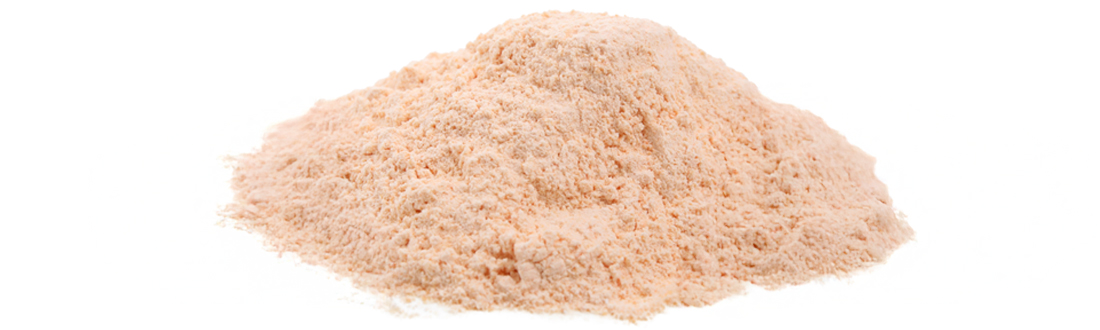
Red Lentil Flour
(typically 24–28% protein)
Warm colour, mild flavour, versatile. A common first choice for red-lentil pasta, savoury baked goods, tortillas, and gluten-free breads and crackers where a warm-toned colour is desirable.
Available is precooked and raw Flour
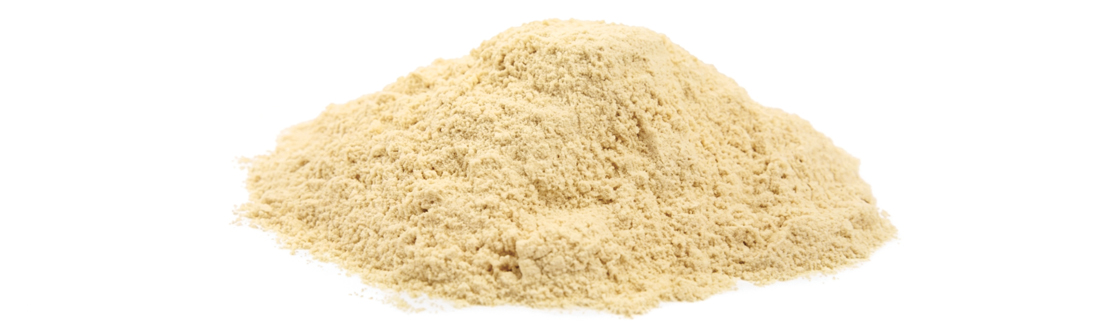
Yellow Lentil Flour
(typically 25–28% protein)
Milder colour than red lentil, similar protein profile. Common in gluten-free baked goods and crackers where a paler finished product is preferred but a lentil-family flavour is acceptable.
Available is precooked and raw Flour
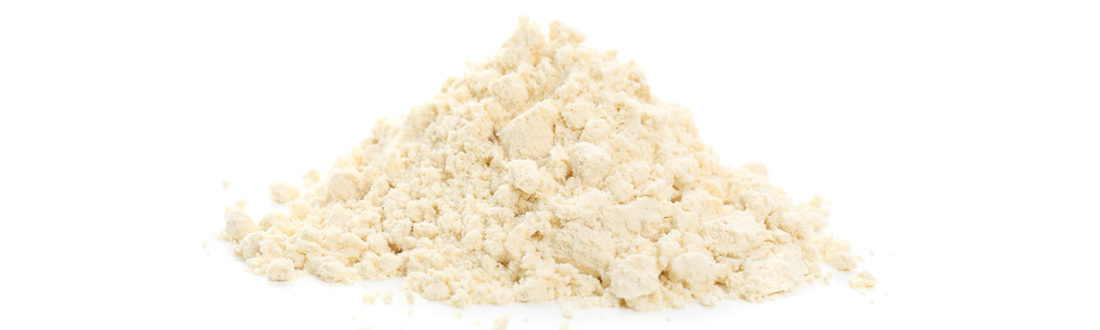
Chickpea Flour
(typically 20-22% protein)
Pale, comparatively neutral flavour, familiar to consumers. A common first choice for gluten-free muffins, cakes, quick breads, flatbreads, and snack applications where flavour neutrality matters.
Available is precooked and raw Flour
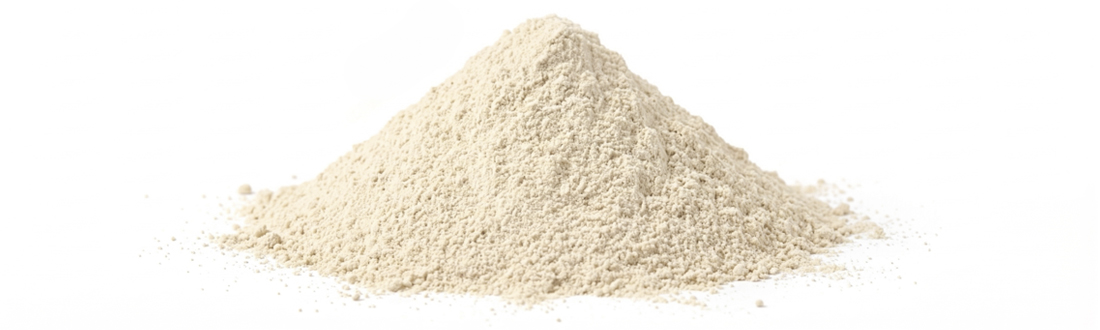
Fava Bean Flour
(typically 26-30% protein)
Highest protein of the four SSI flours. Greenish-yellow colour, more assertive flavour. Common in high-protein bakery formulations, protein-forward pasta, and applications where a green-toned colour is acceptable or desirable.
Available is precooked and raw Flour
Pulse flour at a glance
Simpson Seeds four flours by application
Application-fit summaries below are directional starting points for R&D triage, not absolute rules. Validate any pulse-flour selection in pilot trials against the target product specification.
| Flour | Typical protein* | Colour/flavour | Common starting applications |
|---|---|---|---|
| Red Lentil Flour | 24-28% | Warm-toned; mild | Red-lentil pasta, savoury, baked goods, tortillas, GF crackers |
| Yellow Lentil Flour | 25-28% | Pale-warm; mild | Red-lentil pasta, savoury baked goods, tortillas, GF crackers |
| Kabuli chickpea flour | 20-22% | Pale; comparatively neutral | GF muffins, cakes, quick breads, flatbreads, mild-flavour snacks |
| Fava Bean Flour | 26-30% | Greenish-yellow; assertive | High-protein bakery, protein-forward pasta, meat analogue binding |
*Protein ranges reflect Simpson Seeds specification sheets and vary with crop year and specification revisions.
Frequently Asked Questions
Selected references
Quantified and study-based claims in this document are drawn from the sources below.
- Cereal Foods World — Challenges and Opportunities in Formulating with Pulse Ingredients (2020) — https://www.cerealsgrains.org/publications/cfw/2020/March-April/Pages/CFW-65-2-0019.aspx
- Pulse Canada — Sustainability & Ingredient Resources — https://pulsecanada.com/sustainability
- Global Pulse Confederation / pulses.org — Pulses in Extruded Snack and Cereal Products — https://flourhub.pulsecanada.com/uploads/resources/Pulses-in-Snacks.pdf
- Boukid, F. 2021. Chickpea (Cicer arietinum L.) protein as a prospective plant-based ingredient — a review. International Journal of Food Science & Technology. — https://doi.org/10.1111/ijfs.14976
- Boye, J.I. et al. 2010. Pulse proteins: Processing, characterization, functional properties and applications in food and feed. Food Research International. — https://doi.org/10.1016/j.foodres.2009.09.003
- Tiwari, B.K., Gowen, A., McKenna, B. (Eds.) 2011. Pulse Foods: Processing, Quality and Nutraceutical Applications. Academic Press. — https://www.elsevier.com/books/pulse-foods/tiwari/978-0-12-382018-1
- Hall, C. et al. 2017. Composition, Nutritional Value, and Health Benefits of Pulses. Cereal Chemistry. — https://doi.org/10.1094/CCHEM-04-16-0104-FI
- Elucidation of technological, functional, sensory properties and aroma profiles of gluten-free breads enriched with lentil flour — https://d-nb.info/1365645681/34
- The comparison of the effect of added amaranth, buckwheat, chickpea, corn, millet and quinoa flour on rice dough rheological characteristics — Journal of Cereal Science, 2017 — https://www.sciencedirect.com/science/article/abs/pii/S0733521017300590
- FAO — International Year of Pulses / World Pulses Day resources — https://www.fao.org/pulses-2016/en/
- Health Canada — Gluten-Free Labelling — https://www.canada.ca/en/health-canada/services/food-nutrition/food-safety/food-allergies-intolerances/celiac-disease-gluten-labelling.html
- U.S. FDA — Gluten-Free Labeling of Foods — https://www.fda.gov/food/nutrition-food-labeling-and-critical-foods/gluten-and-food-labeling
- FSSC 22000 Food Safety Certification Scheme — https://www.fssc.com/
Passionate – Dedicated – Professional
Ready to Source Canadian Pulse Flour or Start a Contract Milling Project?
The Simpson Seeds pulse flour mill is built for food manufacturers and ingredient brands who want traceable, Saskatchewan-grown pulse flour — milled, packaged, and shipped without leaving Canadian soil.
Call us for inquiry : Monday to Friday : 8 am – 4 pm
+1 (306) 693 2132